Academy / Painting Like Bob Ross for Beginners
Color Theory and Mixing
Lesson 1: Understanding the Color Wheel
The Basics of the Color Wheel
The color wheel is a fundamental tool in color theory and painting. It is a circular arrangement of colors that helps artists understand the relationships between different hues. The primary colors (red, blue, and yellow) are spaced equidistantly around the wheel, and the secondary colors (green, orange, and purple) are created by mixing two adjacent primary colors.
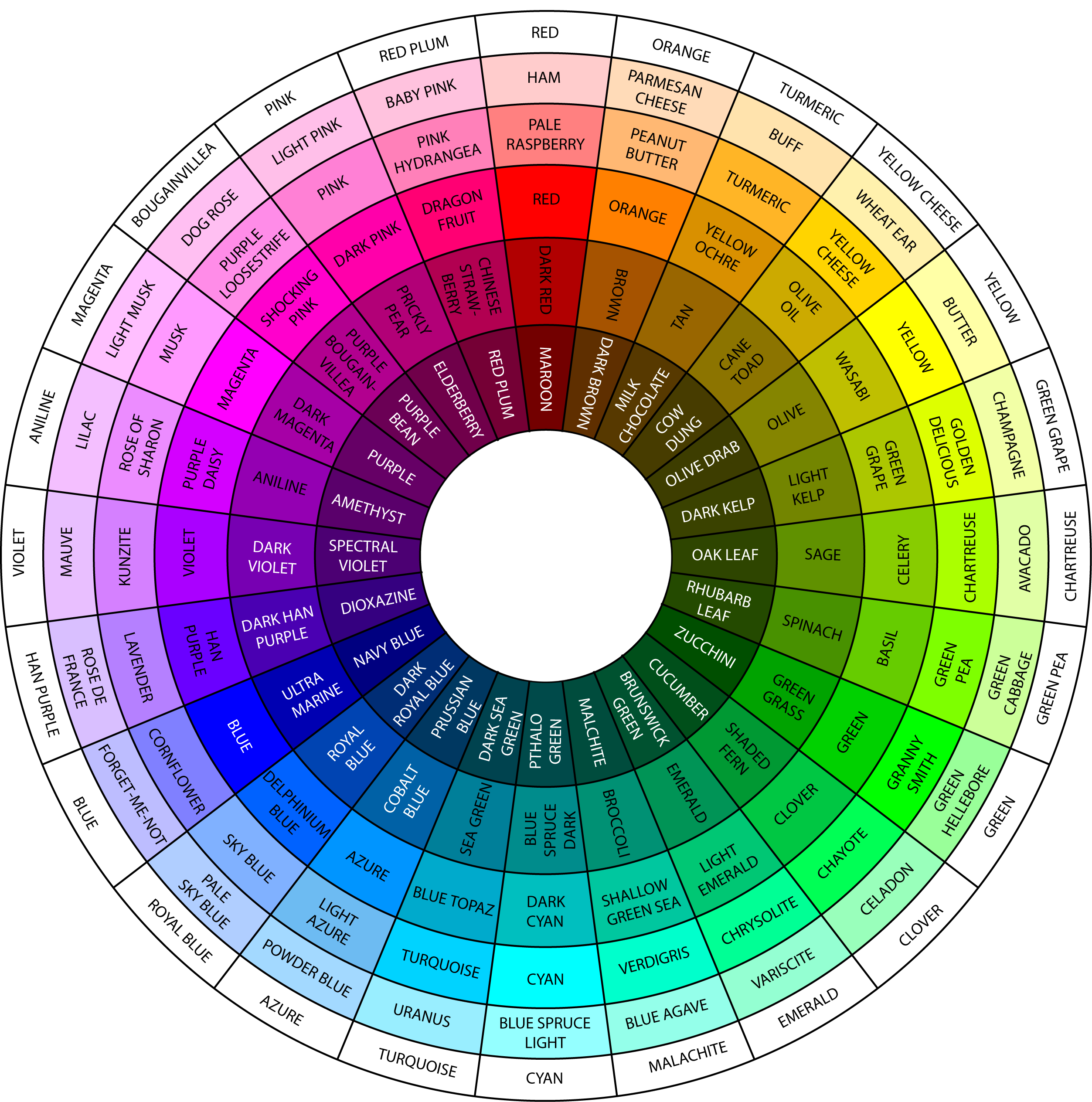
Primary Colors
- Red: A warm, vibrant color that symbolizes energy, passion, and excitement.
- Blue: A cool, calming color that represents serenity, stability, and trust.
- Yellow: A warm, cheerful color that evokes feelings of happiness, optimism, and sunshine.
Secondary Colors
- Green: Created by mixing blue and yellow, green represents nature, growth, and harmony.
- Orange: A combination of red and yellow, orange is a warm, energetic color that symbolizes enthusiasm and creativity.
- Purple: Formed by mixing red and blue, purple is associated with royalty, luxury, and spirituality.
Tertiary Colors
Tertiary colors are created by mixing a primary color with a secondary color adjacent to it on the color wheel. Examples include red-orange, yellow-green, and blue-violet.
Color Relationships
The color wheel also helps artists understand color relationships, such as:
- Complementary colors: Colors that are directly opposite each other on the color wheel (e.g., red and green, blue and orange).
- Analogous colors: Colors that are adjacent to each other on the color wheel (e.g., red, red-orange, and orange).
- Triadic colors: Three colors that are evenly spaced around the color wheel (e.g., red, blue, and yellow).
Understanding these relationships is crucial for creating harmonious color schemes and achieving desired visual effects in your paintings.