Chapter 12
After
The cemetery in Hurricane sat on a hill above the river. There were thirty-seven headstones from before 1950 and a hundred and four after, and Sariah Jessop’s grave was at the south end where the sandstone gave way to softer ground. Linnea Aspen had paid for the plot. She had also paid for a stone, which would arrive in three weeks, and which would say SARIAH JESSOP, 2007–2026, BELOVED — and nothing else, because anything else, Linnea said, would belong to a community that had not earned the right to claim her.
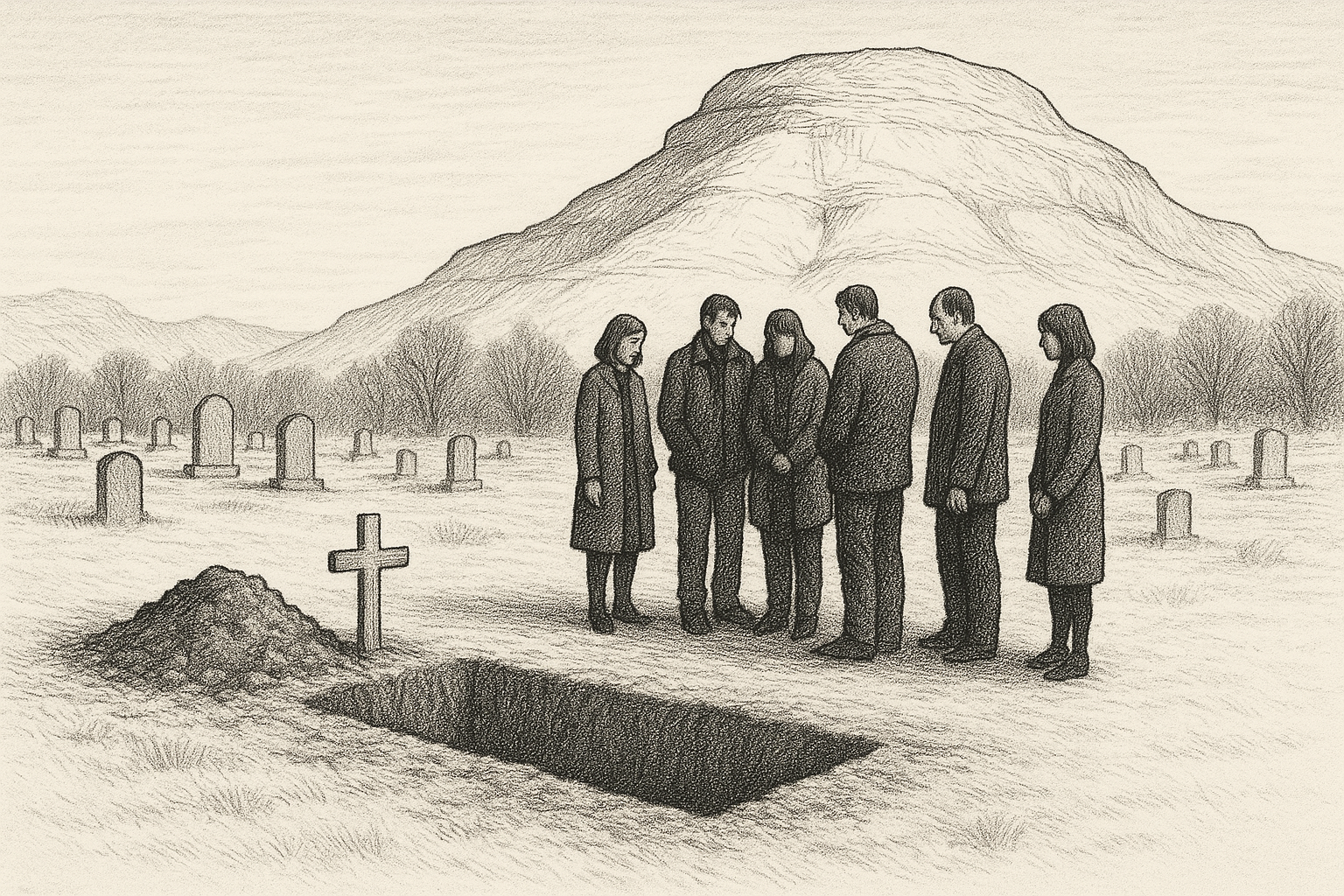
Six people stood at the grave. Linnea, Jared, Ruth, Ruth’s older sister — sixteen, standing with the straight-backed stillness of someone who learned early that the body gives away what the face won’t — a Methodist minister Linnea knew from the library, and Audrey.
The minister read briefly. Linnea did not read. Jared did not speak. Ruth, who was thirteen and out of the community now and not yet okay, held her brother’s hand. Her other hand found the end of her braid and held it against her collarbone for a moment — both hands — and then she let it go. Audrey stood at the back and did not look at any of them directly. She was not there as the law. She was there because Linnea had asked her to be, and because she had said yes without thinking, which was the answer she would have given on any other morning of her working life and on this one, too.
When it was over, Jared stayed at the grave. Ruth stood with him. Linnea and Audrey walked back to the road together, slow, on the gravel path between the older stones.
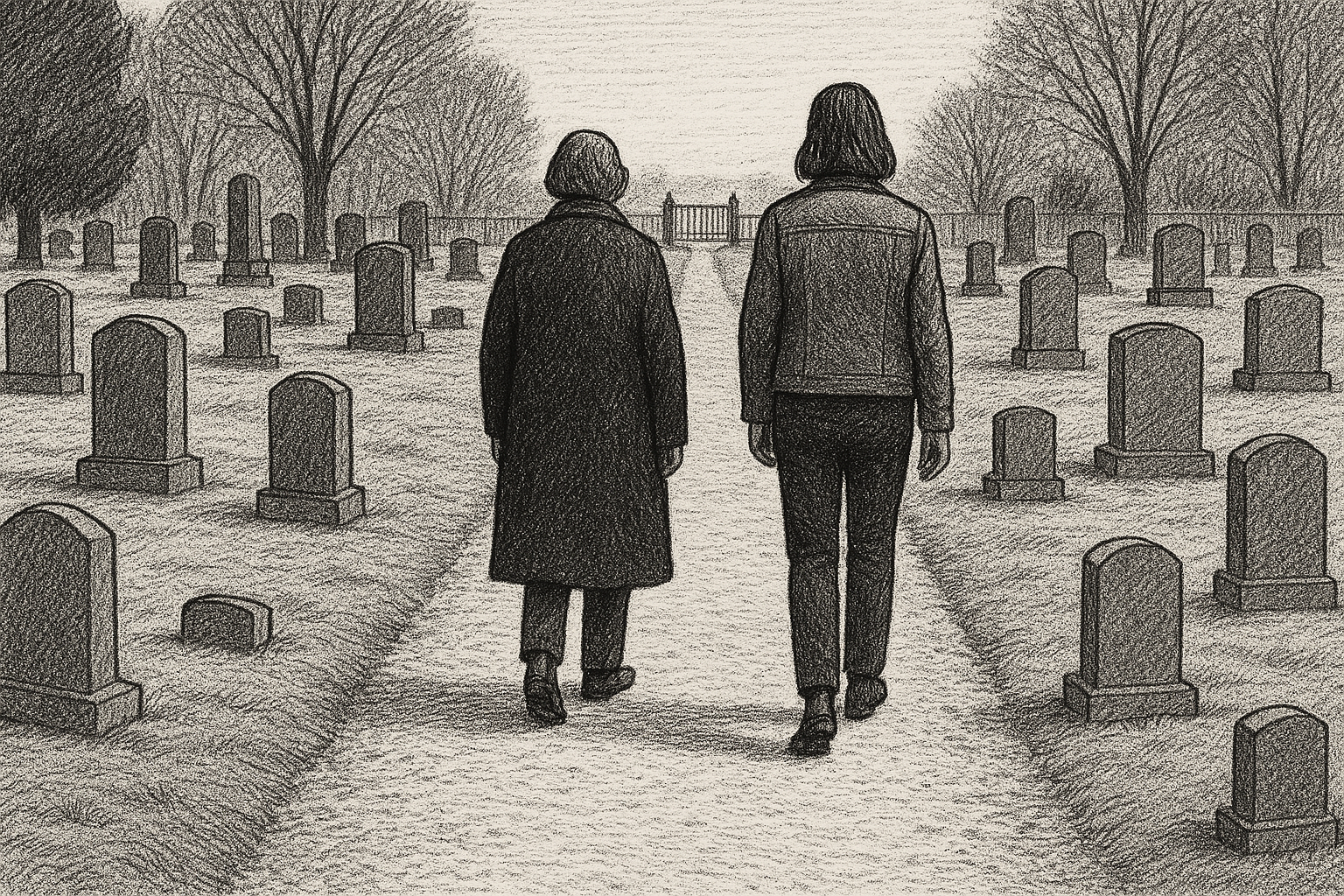
“You’re going to be all right,” Audrey said, which was not a question.
“I am going to be all right,” Linnea said. “I’m going to keep doing what I do. We’ll see whether the next time someone moves on me, they move with the same care.”
“They won’t.”
“No,” Linnea said. “They won’t.”
They walked the rest of the way without speaking.
The conversation with Ed Vanderhoff happened in his office two days later, with the door closed. He had read her paper. He had read Hugh Pinney’s paper. He had read what the Mohave County DA had filed and what the Washington County DA was going to file, which in the latter case was a charge sheet that was going to hold and in the former a charge sheet that was probably not. He sat behind his desk with both hands flat on it and looked at her for a long time.
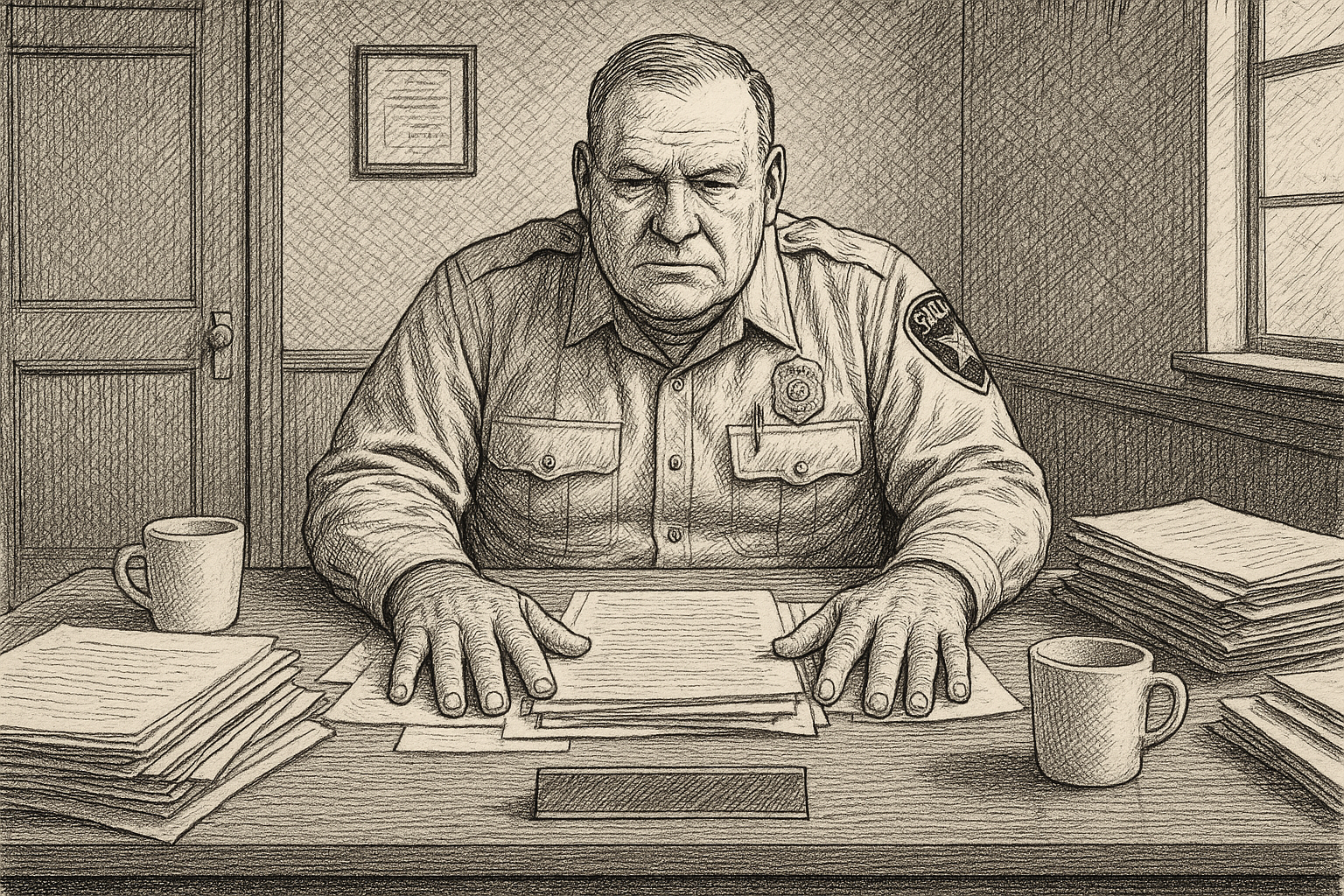
“Briggs.”
“Sergeant.”
“You worked a homicide on the Arizona side of the line for eleven days off the books.”
“Yes.”
“You are not going to be recommended for a commendation.”
“I understand.”
“You are also not going to be disciplined.”
“I understand that too.”
“I am the only person in this building who knows what you actually did. That is going to remain true. If anyone asks, you assisted Mohave County in a courtesy capacity. The paper supports that. The paper supports it because Hugh Pinney made it support it. Hugh is not getting a commendation either. He is, however, going to retire on schedule.”
“I’m glad.”
“That is the deal, Briggs. That is the whole deal. You do not work a case off the books in this department again. You also do not get to feel virtuous about having worked one. You did the work. Somebody is dead who did not need to be. Somebody else is alive who would not be otherwise. We do not talk about it. Are we clear.”
“We are clear.”
“Go home.”
She went home.
She slept for nine hours, which she had not done since the spring of 2024. She woke at four-twenty in the morning. She lay in the dark for a few minutes and then she got up.
The kitchen was the kitchen. The window above the sink was the window above the sink. The mug that said WORLD’S OKAYEST DEPUTY was in the rack where she had left it, washed and dry. She made coffee.
She sat at the table.
The headlights had not started up Bluff Street yet. The construction crews were running half an hour late this morning for some reason — maybe the cold, maybe a delay at the Hurricane site. The street was empty and very dark. Audrey watched it for a long time.
She was not thinking about anything. She was awake.
After a while, she thought about Tom.
She did not push the thought down. She sat at the table and let him be there with her for a few minutes, not as a problem, not as a wound, just as the thing he had been when he had been alive.
It was the first morning in two years she had let him in without a clock on him.
After a while she got up. She washed the mug. She turned off the light above the sink.
She walked to the front door. The porch light came on automatically when the door moved — she had forgotten the sensor was there — but she reached up to the switch beside the door and locked it on. The bulb was old and yellow and threw a small pool of warm light on the porch boards.
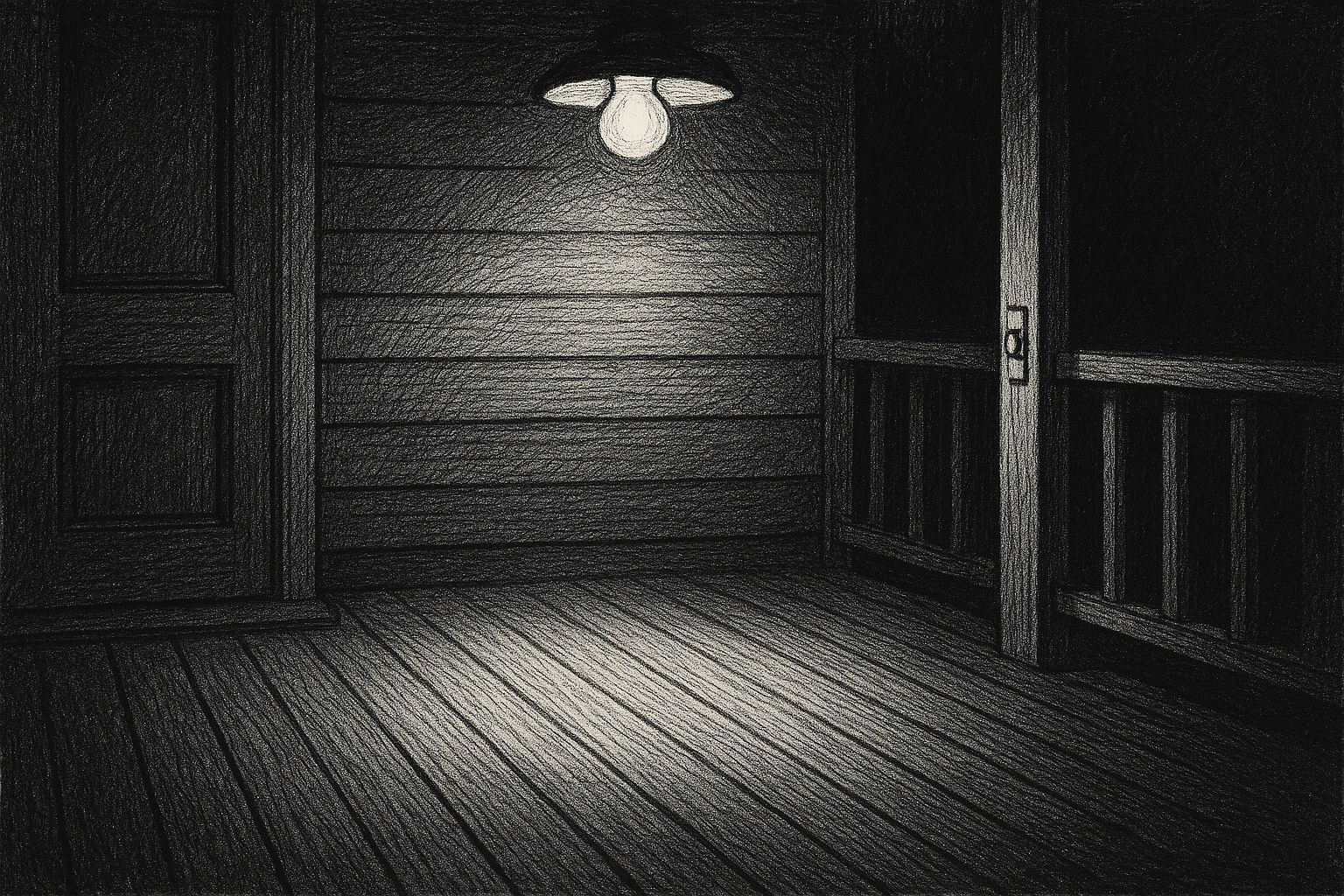
She closed the door, leaving the light on.
She went back to bed.
The headlights began to come up Bluff Street at six minutes to five.