Chapter 2
The Compound
Colorado City was sixty-eight miles from Yellow Knolls if you took the reasonable road and eighty-two if you didn’t. Audrey took the reasonable road. She got there at ten past eleven.
Once, at twelve, in the back of her father’s truck: he told her not to look. She had.
It hadn’t changed much.
It sat at the base of Canaan Mountain, a pink sandstone ridge that dominated the northern sky and seemed to lean a little forward toward the town, as if listening. Houses spread along the valley floor in a grid of wide streets. Many of the houses were enormous — two or three stories, wings added on over the years, rooms for the sister-wives and the children and their children. A lot of the houses were also empty now. Since Warren Jeffs had gone to prison and the community had started to come apart, whole blocks had gone to the county for back taxes. Yards grown over. Windows boarded. Pickup trucks sitting on flat tires in the grass.
Audrey drove slow through the streets toward the Jessop compound. She didn’t need an address. Hugh Pinney had texted her coordinates at eight thirty-five, along with a one-line message that said Be careful how you approach. Those folks don’t run. She had read it twice and deleted it.
The compound was on 700 West, set back from the road behind a chain-link fence that had once been topped with privacy slats and was now mostly gaps. Three houses on the lot, all connected by covered walkways, arranged in a rough U around a packed-dirt yard. Two pickup trucks in the drive. A minivan. A trampoline with a torn safety net.
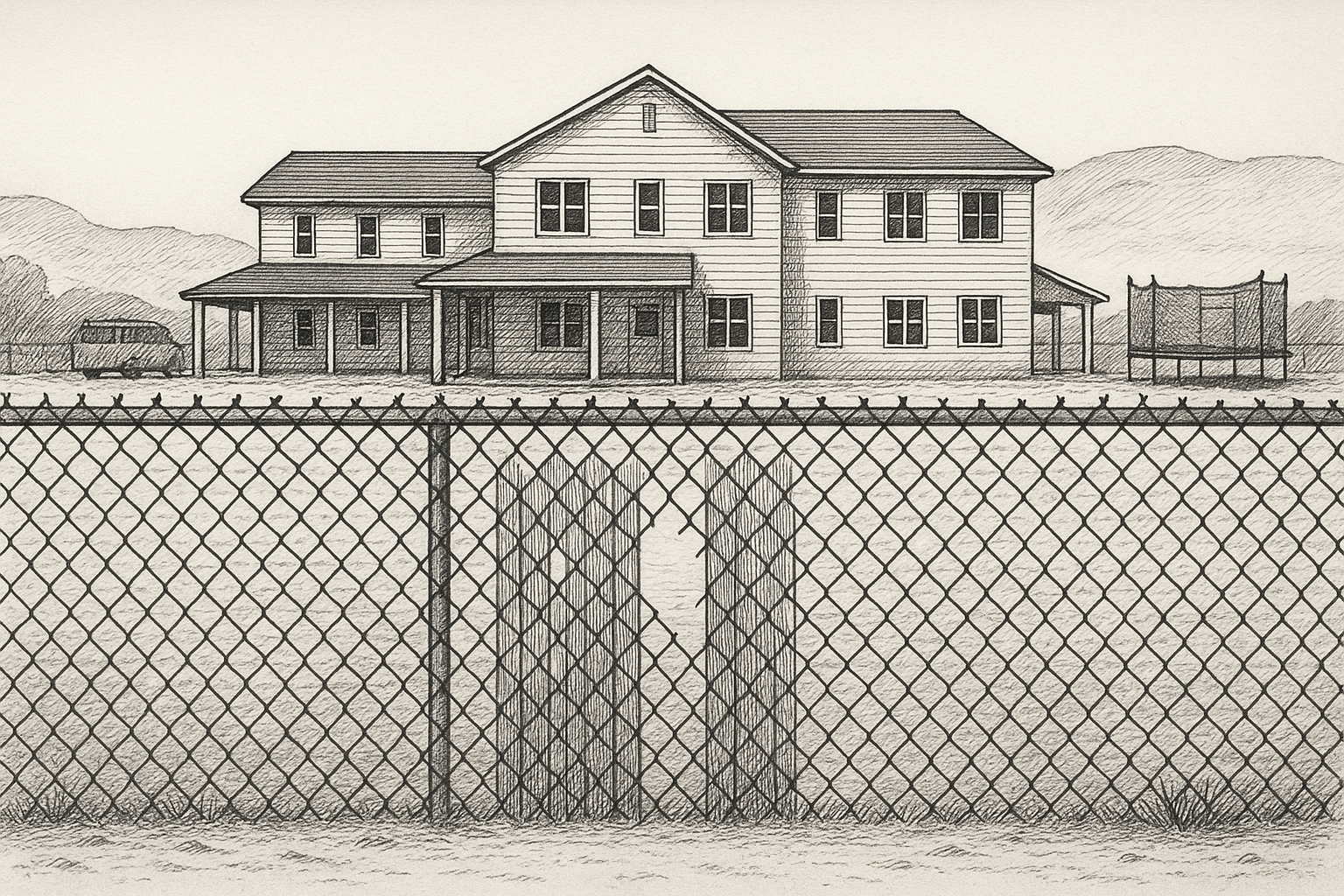
No kids in the yard. In a Jessop yard at eleven in the morning, that was the first wrong thing.
She parked on the street. Didn’t pull into the drive. Left the engine running for ninety seconds. Got out. Walked to the front door of the nearest house and knocked.
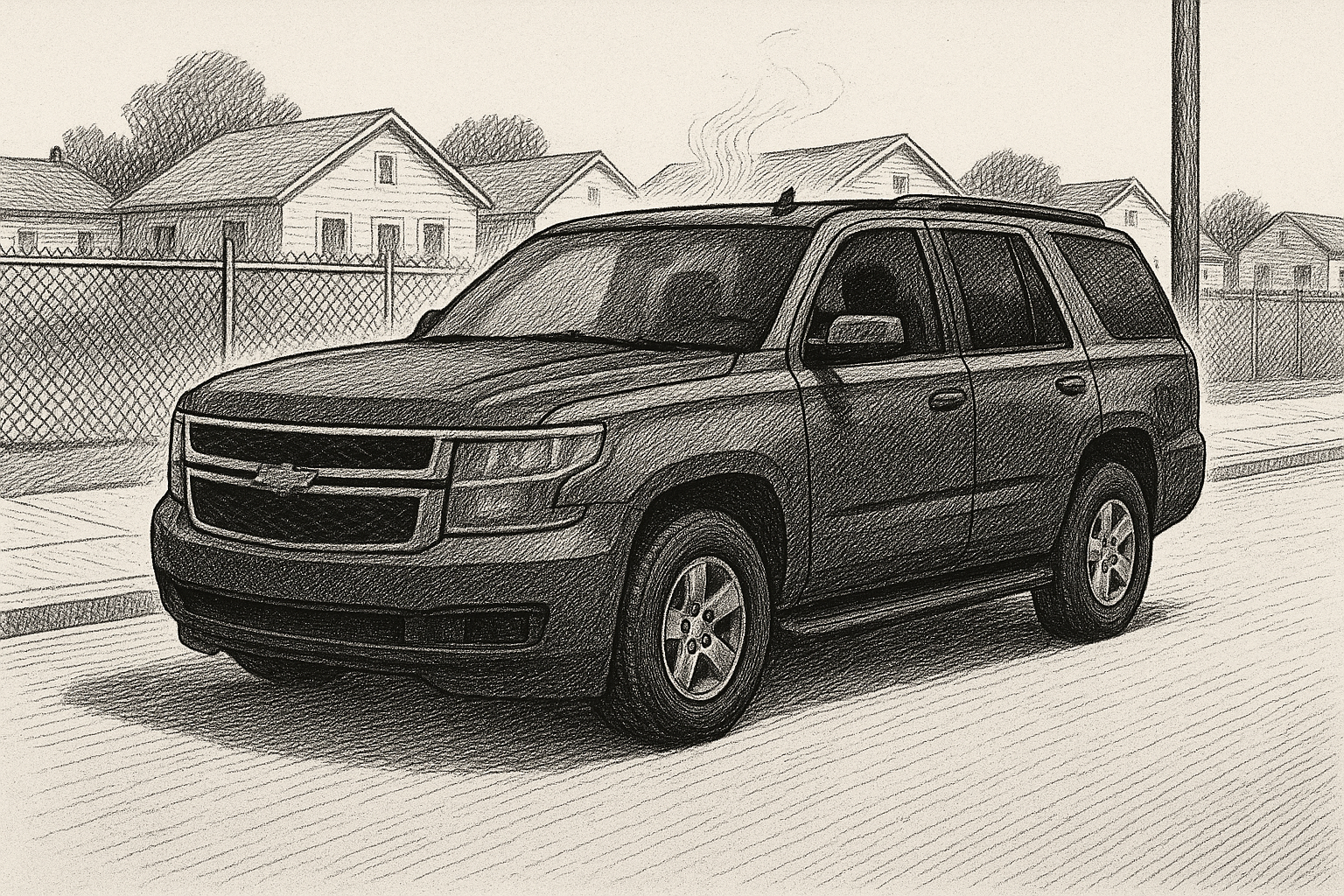
Nothing.
She knocked again. Waited. Heard a child’s voice inside, cut short. A woman hissing the child quiet.
She stepped back from the door and looked up at the second floor. A curtain in the front-right window was parted by maybe two inches. Whoever was watching pulled it closed when she looked up.
She walked to the next house. Knocked. Same thing.
Walked to the third house. Knocked. Same thing.
By now she’d been on the property for four minutes and she understood that the door she was looking for was not going to open today. She’d known it wasn’t going to before she knocked. You knocked anyway. Knocking was how you told a community you’d been there, and how they told you what they weren’t going to say.
She was walking back to the Tahoe when the side door of the middle house opened.
A young man came out fast, pulled the door closed behind him, walked across the dirt yard toward her without looking back. He was maybe twenty-five. Tall. Dark hair cut short in the community way — clipper-short on the sides, longer on top, combed back flat. Denim work shirt. Jeans with dried mud at the knees.
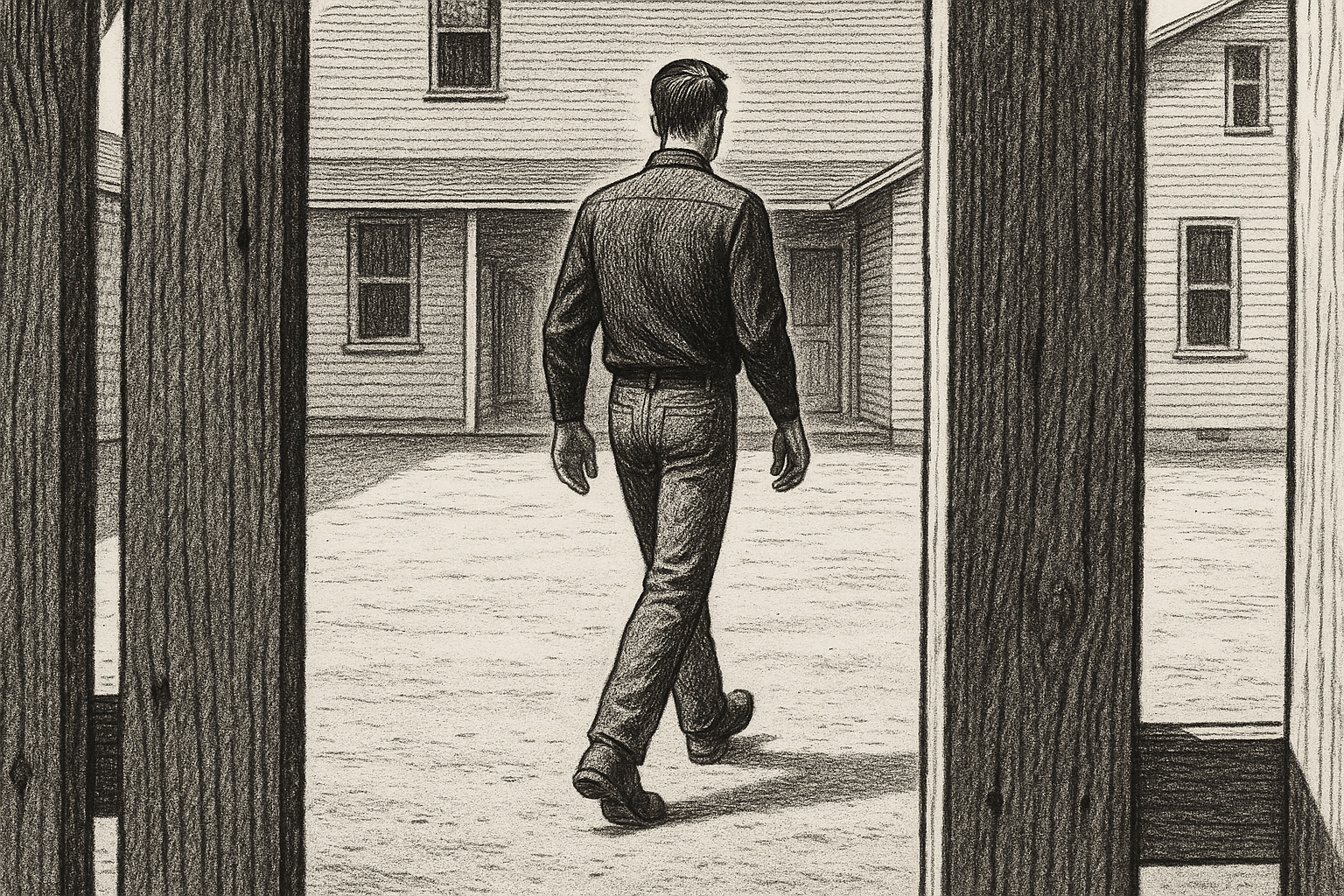
He caught up to her on the street side of her truck, so that the truck was between him and the houses.
“Deputy.”
“Yes.”
“You don’t know my name. You don’t need to know it right now. Don’t write it down. Nod if you understand.”
She nodded.
“My sister is dead. I know. Don’t ask me how I know. You’ve come about her.”
“I have.”
“I can’t talk to you here. They’re watching. It’s not —” He looked past her, up the street, then back. “It’s not what you think. Or it’s that and other things. I can’t go into it on this street.”
“All right.”
“There’s a place past the south end of town. The old rodeo grounds. Forty minutes from now. I’ll be there in a white Ford. Alone. If I’m not alone, you keep driving.”
“All right.”
He was already stepping back. She said:
“Your name, for right now?”
He hesitated. Then: “Jared.”
“Jared. If I’m not the first deputy to come here today or tomorrow, who’s the safer one for you to talk to?”
He almost smiled. “None of you are safe for me to talk to. You’re just the one who’s going to ask the right questions.”
He turned and walked back to the house without looking back. The side door closed behind him.
Audrey stood there another few seconds. The upstairs curtain moved again. She did not look up.
She got in the truck and drove.
The old rodeo grounds were exactly where he’d said. Two miles south of town, on a scrap of BLM land the community had used for stock events before the feds had shut the events down for reasons Audrey dimly remembered having to do with federal livestock grants and tax status. There wasn’t much left. A set of rusted pipe-rail bleachers. A chute with the gate hanging off one hinge. A stock tank on its side with a mesquite tree grown up through it.
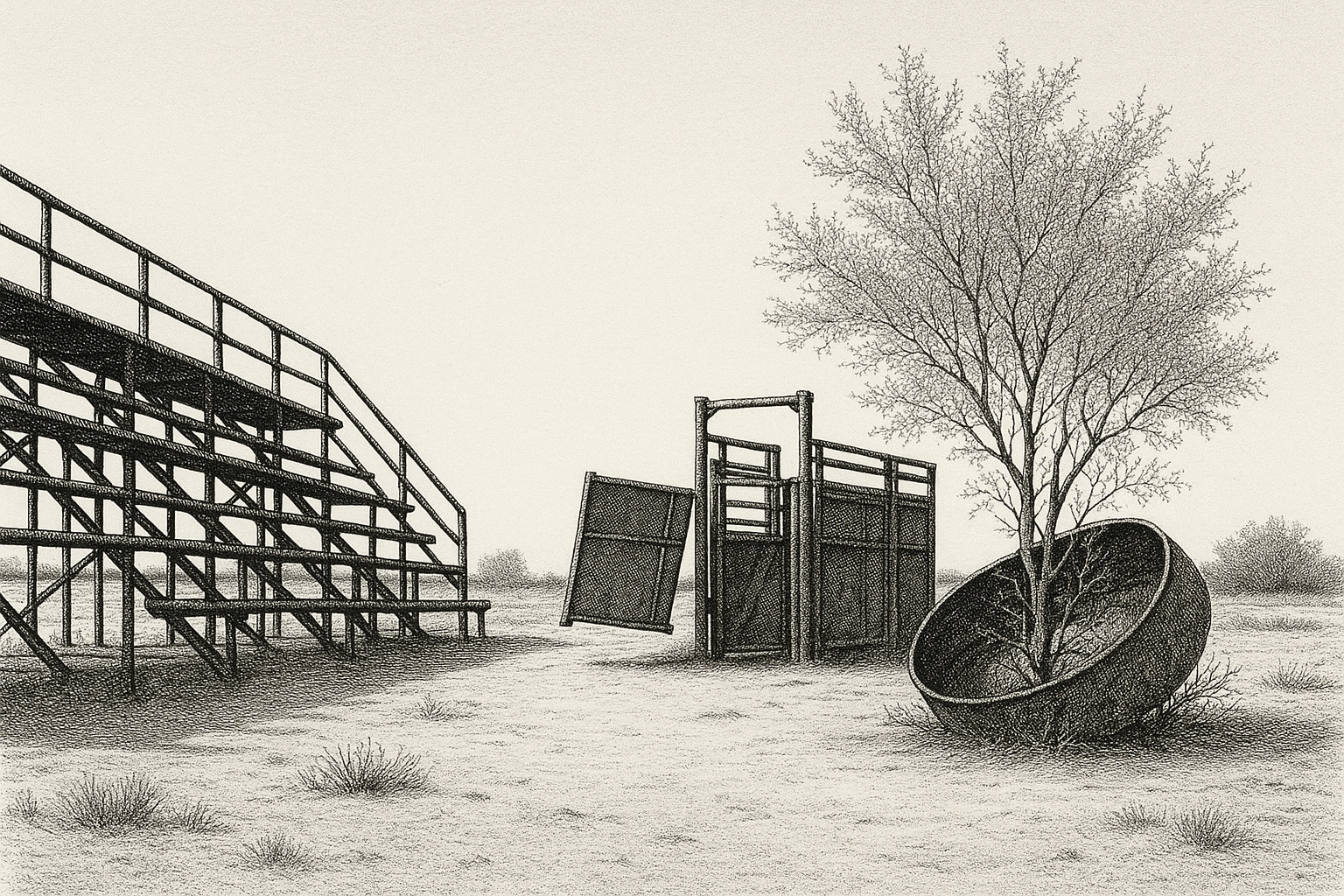
She got there at eleven fifty-six. Four minutes early.
She parked in the shade of the mesquite — small shade, better than none — and turned off the engine and waited. She didn’t get out. She watched the road.
At twelve-oh-nine a white Ford F-150 came up the dirt track. It slowed as it approached, then stopped fifty yards short of her truck.
Jared Jessop got out.
He was alone.